In an era where sustainability guides design choices, liquid thermal insulation coatings are emerging as key players in the shift toward greener construction. Within this same context, APIHS aims to create innovative coatings that deliver a range of benefits — from exceptional performance to substantial savings — while keeping environmental preservation at the heart of their mission.
Environmental and Economic Benefits of Thermal Insulation
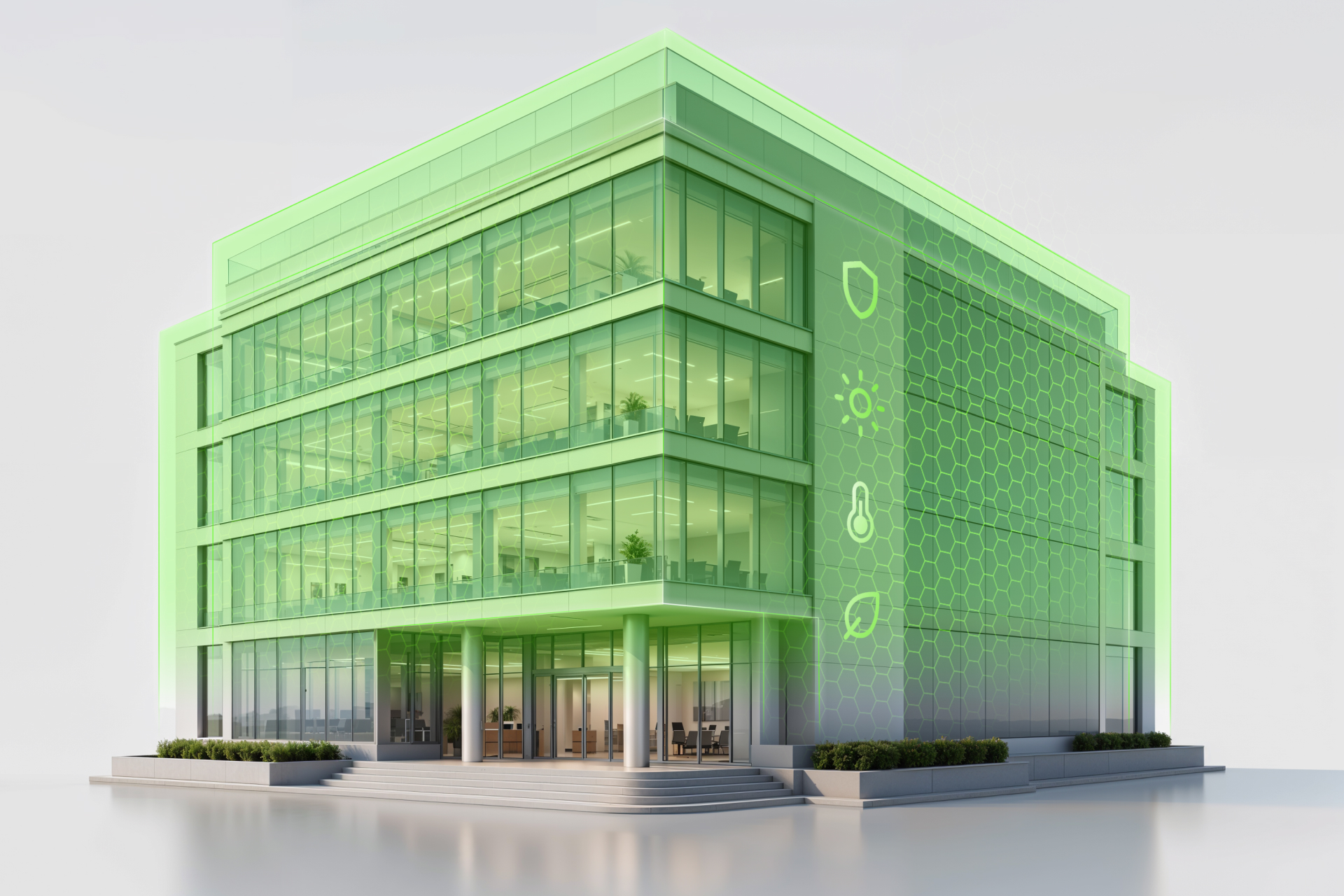
Liquid thermal insulation coatings improve energy performance by optimizing building efficiency. These formulations create an effective thermal barrier, significantly reducing the energy needed for both heating and cooling spaces. This reduction has a direct impact on greenhouse gas emissions, helping to lower the overall carbon footprint. At the same time, eco-friendly thermal insulation coatings are designed for maximum durability, extending the useful life of buildings. This reduces the need for frequent renovations, minimizing construction waste and contributing to more responsible resource management.
Use of Local Raw Materials
Choosing local raw materials for manufacturing liquid thermal insulation coatings delivers a dual environmental and economic benefit. By significantly cutting the carbon footprint associated with transportation, this approach helps reduce the greenhouse gas emissions tied to logistics. At the same time, by favouring local resources, manufacturers support the regional economy and strengthen local communities. This strategy builds lasting ties between the coatings industry and local economic players, contributing to a more responsible and resilient supply chain.Integration of Eco-Friendly Ingredients
Formulating thermal insulation coatings with non-toxic, environmentally friendly components plays an essential role in reducing the construction industry’s ecological impact. By favouring non-harmful ingredients and lowering volatile organic compounds (VOCs), indoor air quality is improved, creating healthier spaces for occupants while reducing the environmental footprint. In addition, using environmentally friendly components reduces the risk of water and soil pollution during production, application, and disposal of the coatings. This sustainable approach helps build a more eco-responsible construction industry, one that’s in step with the principles of environmental sustainability.Applications of Liquid Thermal Insulation Coatings
Beyond their eco-friendly nature, APIHS’s liquid thermal insulation coatings stand out for their versatility. They can be used in construction — on roofs, walls, and roads — creating energy-efficient environments for residential, commercial, and industrial buildings. These formulations optimize energy efficiency, contributing to better-performing thermal envelopes. In the automotive industry, they help stabilize and manage the thermal behaviour of electric vehicle battery compartments. Their use also extends to industrial equipment exposed to extreme thermal conditions. These coatings represent innovative solutions for construction, electric mobility, and industry, supporting a sustainable, energy-efficient future.APIHS’s liquid thermal insulation coatings, formulated with local, eco-friendly raw materials, represent a successful meeting point between technical performance and environmental commitment. By making conscious formulation choices, the industry actively contributes to building a more sustainable construction sector. It’s in these environmentally responsible formulations that a future takes shape — one where thermal comfort coexists harmoniously with the preservation of our planet.
Fadwa Jemal, M.Sc. Materials Chemistry, Head of the R&D and Production Department at APIHS